
Senegal vs Morocco at CAS: How Football Appeals Work and What Happens Next
Senegal vs Morocco at CAS: How Football Appeals Work and What Happens Next
When a football match ends, the result is normally settled on the pitch. Players leave the field, officials complete their reports and teams prepare for the next fixture.
But what happens when a governing body later changes the official result of a major tournament final?
That question has become central to one of African football’s most significant legal disputes.
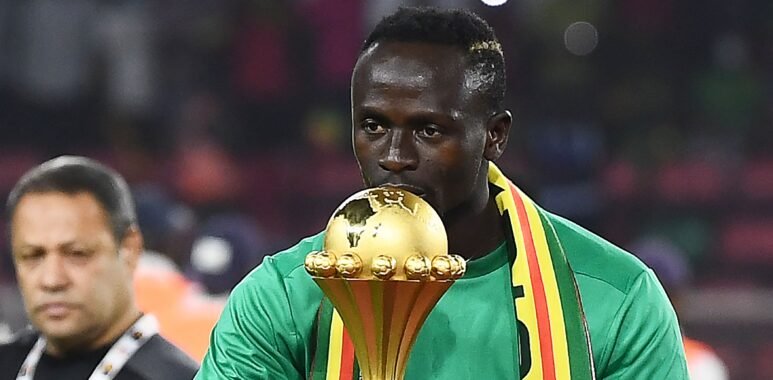
In March 2026, the Confederation of African Football’s Appeal Board ruled that Senegal had forfeited the 2025 Africa Cup of Nations final against Morocco, recording the result as a 3–0 victory for the Moroccan Football Federation.
Senegal challenged that decision before the Court of Arbitration for Sport. The case is now awaiting a reasoned award.
For football administrators, the dispute is about more than which country should be recognised as champion. It illustrates how disciplinary decisions are challenged, how sporting regulations are interpreted and why following the correct legal process matters.
What happened in the AFCON final dispute?
Senegal originally defeated Morocco 1–0 after extra time in the final played in Rabat on 18 January 2026.
The match was subsequently referred to CAF’s disciplinary processes following incidents surrounding Senegal’s temporary departure from the field in protest at a late penalty decision.
On 17 March, CAF’s Appeal Board overturned the earlier disciplinary decision and declared Senegal to have forfeited the match under Articles 82 and 84 of the AFCON regulations. The official result was recorded as 3–0 in Morocco’s favour.
Senegal’s Football Federation subsequently appealed to CAS, seeking to have the CAF decision set aside and to be declared the winner of the competition.
These are the respective positions and decisions documented in the official proceedings. The final outcome of the CAS appeal must be distinguished from the earlier CAF ruling.
What is CAS, and why does it matter?
The Court of Arbitration for Sport is an independent institution that resolves sports-related disputes through arbitration and other dispute-resolution procedures.
Football federations, clubs, players and other eligible parties may bring disputes before CAS where the relevant regulations provide a route of appeal or the parties otherwise have an applicable basis for its jurisdiction.
CAS is not simply another football committee. Its role is to assess the dispute under the applicable regulations and legal principles, considering the parties’ arguments and the evidence before the panel.
In an appeal against a governing body’s decision, the appellant must identify the decision being challenged, explain the grounds of appeal and request the relief it seeks.
The other parties are given the opportunity to respond under the applicable procedural rules.
What happens after an appeal is filed?
The Senegal case illustrates several stages of the process.
First, the appeal is registered.
CAS confirmed receipt of Senegal’s appeal on 25 March 2026. The federation challenged the CAF decision and sought to have the original outcome restored.
Registration of an appeal does not mean the appellant has won. It means the dispute has entered the relevant legal process.
Second, the parties exchange their arguments.
The parties submit their legal arguments and responses according to the applicable procedural calendar.
CAS explained in its March communication that an appellant ordinarily has 20 days to file an appeal brief, followed by a further 20 days for the respondents to submit an answer, subject to the procedural circumstances of the case.
These are the timelines described in CAS’s communication, not a universal guarantee that every sports appeal follows an identical timetable.
Third, a hearing may take place.
In this case, the hearing was held behind closed doors at CAS headquarters in Lausanne on 8 October.
The panel considers the arguments and evidence submitted by the parties. A hearing does not necessarily mean a decision will be announced immediately afterwards.
Fourth, the panel deliberates and issues its award.
On 19 October, CAS confirmed that the arbitrators were continuing their deliberations and intended to issue a complete award containing the legal grounds for the decision.
The award is expected at the end of November 2026.
Until that award is issued, the final outcome remains unresolved.
Does filing an appeal automatically reverse the original decision?
No.
This is one of the most important distinctions for club administrators and football fans to understand.
A party may challenge a decision without automatically suspending its effects. Whether a decision remains enforceable during an appeal depends on the applicable regulations and any separate order made by the competent body.
In Senegal’s case, the appeal itself should not be confused with a ruling in Senegal’s favour. The CAS panel must decide the issues before it.
Similarly, an appeal being heard does not mean that the respondent has admitted wrongdoing or that the original decision was necessarily incorrect.
The legal process exists to examine those questions.
Why the evidence matters
A football dispute can involve match footage, referee reports, written regulations, official communications and arguments about how a particular rule should be interpreted.
The relevant evidence depends on the dispute.
For a club challenging a player-eligibility decision, registration records may be central. In a contractual dispute, the signed agreement, payment history and correspondence may be decisive. In a competition dispute, the match report and the wording of the relevant competition regulations may carry considerable weight.
The lesson is that a party should not rely solely on its public explanation of events.
It must be able to support its position through the appropriate legal and evidential process.
What can Nigerian clubs learn from this case?
Nigerian clubs and football administrators should treat competition regulations as operational documents rather than paperwork that only becomes important after a controversy.
Before entering a competition, clubs should identify the applicable rules, understand the procedures for lodging protests and appeals, and keep the records necessary to support their position if a dispute arises.
They should also know which body has jurisdiction over the matter. A domestic league dispute may follow a different procedure from a CAF competition dispute or an international employment dispute.
Where a decision is challenged, administrators should record the date of notification, calculate the relevant deadlines, preserve evidence and seek qualified advice before filing.
A strong complaint can still fail if it is filed late, brought before the wrong body or unsupported by the relevant evidence.
What happens next in the Senegal–Morocco case?
As of 21 October 2026, the CAS panel is deliberating, with a reasoned award expected at the end of November.
Neither the original CAF decision nor Senegal’s appeal should be treated as the final outcome of the CAS proceedings.
The panel’s decision will determine the appeal before it. The legal grounds will also help explain how the applicable rules have been interpreted in this particular dispute.
For football administrators across Africa, the case is a reminder that competition decisions may involve complicated questions of procedure and interpretation, even after the final whistle.
A2Z Football Hub takeaway: An appeal is a legal process, not a guarantee of victory. Clubs and federations should understand the rules, preserve their evidence, respect deadlines and distinguish a pending challenge from a final decision.
