
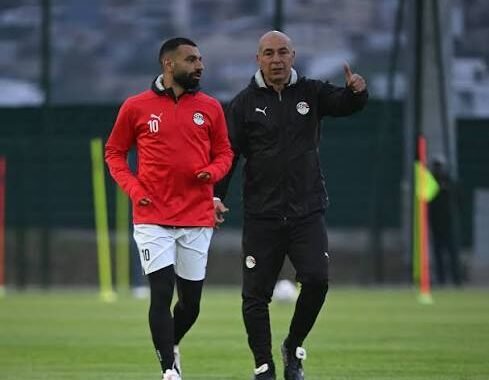
Can FIFA Suspend Players and Coaches for Criticising Referees? What the Egypt Case Teaches
Can FIFA Suspend Players and Coaches for Criticising Referees? What the Egypt Case Teaches
Football produces strong emotions. A disputed penalty, an overturned goal or a late decision can change the outcome of a match and leave players, coaches and supporters frustrated.
After the final whistle, players and officials may want to explain what they believe went wrong.
But there is a difference between discussing a refereeing decision and making comments that expose a player or official to disciplinary action.
Recent sanctions involving Egypt’s national team provide a useful reminder that post-match conduct can have consequences beyond the result on the pitch.
What happened in the Egypt case?
On 19 October 2026, the Egyptian Football Association announced that FIFA had imposed suspensions following Egypt’s 3–2 defeat by Argentina at the 2026 World Cup.
Head coach Hossam Hassan received a three-match suspension. National-team director Ibrahim Hassan also received a three-match suspension, while forward Mostafa Zico was suspended for five matches.
The sanctions followed comments made about the refereeing after Egypt’s elimination from the tournament.
According to Reuters, Hossam Hassan criticised refereeing decisions, while Zico made remarks about the referee during a post-match interview.
The EFA said it had requested the detailed grounds for the decisions from FIFA’s Disciplinary Committee so it could assess its legal options and determine whether to appeal.
That last point is important. At the time of the announcement, the association was seeking the reasoning behind the sanctions. It would therefore be premature to claim that an appeal had succeeded or that the suspensions had been overturned.
Does criticising a referee automatically lead to a suspension?
No.
The fact that disciplinary action followed comments about refereeing does not mean every criticism of an official automatically results in a ban.
The applicable disciplinary rules, the nature of the conduct, the language used, the circumstances and the findings of the competent body all matter.
Football governing bodies have rules addressing conduct that may undermine fair play, the proper administration of competitions or the dignity of match officials. However, the precise legal basis for an individual sanction should be established from the decision and the applicable regulations.
In the Egypt case, the EFA’s request for the detailed grounds is a reminder that understanding the reasoning behind a decision matters when considering the next legal step.
A news headline may explain the broad circumstances, but it is not a substitute for the written decision.
Why do the written grounds matter?
A disciplinary decision tells the affected party what sanction has been imposed. The detailed grounds explain the reasoning and the regulatory basis for that outcome.
That information can help the party determine whether there are legitimate grounds for an appeal, what issues need to be addressed and which procedural requirements apply.
It can also clarify the distinction between the conduct alleged, the findings made by the disciplinary body and the sanction imposed.
For players and clubs, these are not minor administrative details. They affect how a dispute should be handled.
What should a player or coach do after receiving a disciplinary decision?
1. Obtain the official decision.
Do not rely solely on a media summary or a verbal explanation. Ask the relevant association or competition authority for the formal notification and, where applicable, the detailed reasoning.
2. Check the appeal deadline.
The time allowed for an appeal depends on the governing regulations and the nature of the decision. Establish the applicable deadline immediately.
3. Preserve the evidence.
Keep recordings, transcripts, written communications and other material relevant to the incident. Do not assume that a clip circulating online contains the complete context.
4. Seek qualified advice.
A football lawyer or appropriately qualified adviser can assess the legal basis of the decision, the appeal route and the available remedies.
5. Avoid making the situation worse.
Publicly attacking officials or making additional allegations without considering the consequences can complicate an already sensitive situation. A player or coach should understand the relevant rules before issuing further statements.
What can Nigerian players and coaches learn?
The Egypt case is relevant to Nigerian football because players and officials may face disciplinary proceedings under FIFA, CAF, NFF or domestic competition rules.
However, the sanctions in this case arose from a FIFA disciplinary process. They should not be treated as a standard punishment for every post-match criticism in a Nigerian league.
Domestic disciplinary provisions and appeal procedures may differ. A player who wishes to challenge a decision should identify the rules governing the specific competition and follow the relevant procedure.
For club administrators, it is sensible to establish a clear process for post-match media communication. Players and coaches should understand who is authorised to speak on behalf of the team and how sensitive disciplinary matters should be addressed.
This is not about preventing legitimate discussion of refereeing. It is about ensuring that public comments are made with an understanding of the applicable rules and potential consequences.
What about the protection of referees?
Referees perform a role that exposes them to criticism whenever a decision is disputed.
That criticism can be part of legitimate football discussion. But personal abuse, threats and conduct that places officials at risk raise different concerns.
In reporting on the Egypt sanctions, Reuters noted comments by FIFA’s refereeing chief Pierluigi Collina about the potential danger posed by allegations that could provoke threats against referees and their families.
The wider lesson is that football authorities must consider both the right to discuss decisions and the responsibility to protect match officials from abuse and intimidation.
The precise boundaries are determined by the applicable regulations and the circumstances of each case.
The lesson for the football industry
Players and coaches should understand that their professional responsibilities do not end when the match finishes.
Media interviews, public statements and online posts can become part of a disciplinary matter, especially when they concern match officials or the integrity of a competition.
At the same time, disciplinary decisions should be understood through their formal reasoning rather than through assumptions based on headlines.
The Egypt case illustrates both points: conduct can have consequences, and affected parties need the written grounds to assess their options properly.
A2Z Football Hub takeaway: Players and coaches should express concerns through appropriate channels, preserve evidence and obtain the official grounds for any disciplinary sanction. Before appealing, confirm the applicable rules, deadline and legal basis.
